What Is PTFE Tape (Plumber’s Tape)? Types, Uses & How It Works
- Share
- Issue Time
- Sep 1,2026
Summary
Learn what PTFE tape is, how it seals pipe threads, which types suit water or gas, and how to select the right product for your application and fittings.
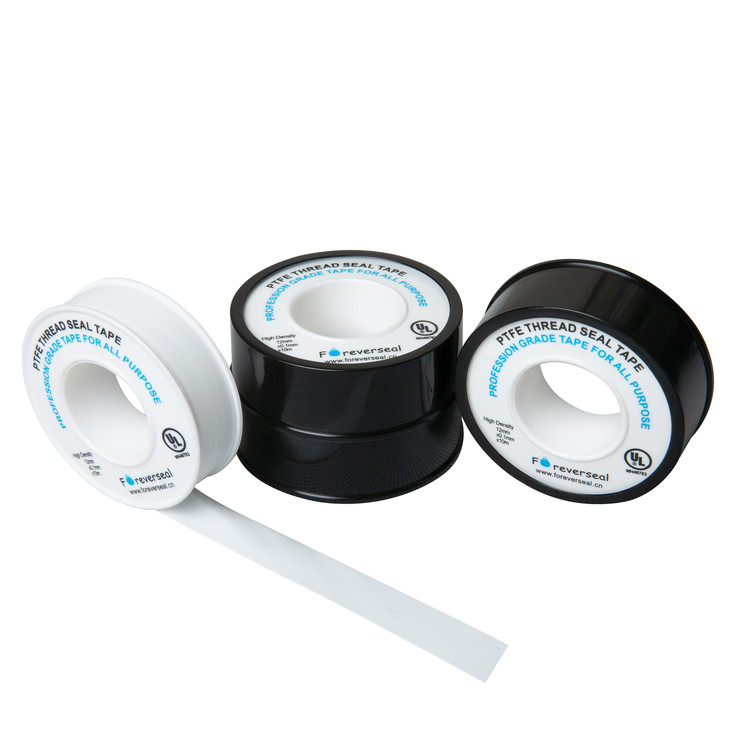
What Is PTFE Tape (Plumber’s Tape)? Types, Uses & How It Works
Direct answer
PTFE tape is a thin, non-adhesive strip used to seal suitable pipe threads. It compresses into thread clearances during assembly and reduces friction. Use a product documented for the fluid and operating conditions; do not add tape to connections that seal through a washer, O-ring, flare or compression ferrule unless the component manufacturer specifically requires it.
 By Liu Yingbao
Engineer · 20 years experience in PTFE line
The important buying decision is choosing a tape that matches the connection, fluid, operating conditions and required approvals. A roll intended for everyday water piping should not automatically be treated as suitable for gas, oxygen or demanding chemical service.
For an overview of application-specific options, explore the ForeverSeal PTFE thread seal tape range.
PTFE thread seal tape • Select the grade for the application, not the spool color.
1. PTFE Tape Meaning: Why Plumber’s Tape Is Used on Pipe Threads
PTFE stands for polytetrafluoroethylene, a fluoropolymer used in thread sealing because it can conform to the thread profile and offers low friction during assembly.
So, what is thread seal tape used for? Its primary purpose is to help seal threaded pipe connections designed to use a thread sealant. Typical applications include suitable threaded joints in water systems, process equipment and gas piping—with the correct product selected for each service.
You may encounter several names when sourcing it:
| Name | What it usually means | What to check |
|---|---|---|
| PTFE tape | The material-based name for the tape | Confirm that it is a thread-sealing product |
| Plumber’s tape / plumbers tape | A common plumbing term for thread seal tape | In some contexts, the term also refers to perforated support strapping |
| PTFE seal tape | Another name for PTFE-based sealing tape | Check the intended joint and application |
| Pipe tape / sealant tape | Broad descriptions covering several products | Confirm whether the product seals threads or repairs pipe surfaces |
Thread seal tape is not an external repair wrap. Wrapping it around the outside of a leaking pipe does not reproduce the seal created inside a properly assembled threaded joint.
2. How Does Plumber’s Tape Seal Threads Without Adhesive?
PTFE thread seal tape works through conformability and compression.
During assembly, the tape deforms into spaces between the male and female threads. Tightening compresses the material along the thread profile, helping obstruct leakage paths.
The sealing sequence is straightforward:
Wrap suitable male threads → assemble the fitting → compress the tape into thread clearances → test the completed connection.
The tape also changes friction during tightening. This can make assembly smoother, but it means installers must follow the fitting manufacturer’s tightening instructions. Easier rotation is not a reason to apply more torque.
PTFE tape cannot correct damaged threads, incompatible thread forms or a connection whose sealing surface is somewhere other than the threads.
3. What Is PTFE Tape Made Of? Material and Service Limits
PTFE means polytetrafluoroethylene. The material name identifies the polymer, while thickness, density, formulation and application documents define the finished tape.
| Documented condition | Temperature | What it means |
|---|---|---|
| Aqua manufacturer TDS | −190°C to +260°C | Published product range, subject to actual service conditions |
| WRAS 2212523, DF201 white tape | Water contact up to 85°C | Assessment of effects on water quality, not joint pressure performance |
These scopes cannot be combined into a new rating. Confirm the ordered model and operating conditions with ForeverSeal PTFE tape technical support.
PTFE conforms under assembly pressure. This conceptual diagram does not represent a specific thread standard.
4. White Plumber’s Tape vs. Yellow Gas-Rated Tape: Two Common Types
Color makes products easier to identify, but color alone does not establish an approval or operating rating.
White tape is commonly associated with general plumbing and water service. Yellow tape is commonly marketed for gas lines. Pink, green, gray and other colors may identify particular grades or applications within a manufacturer’s range.
| Tape type or identification | Common positioning | What buyers should verify |
|---|---|---|
| White plumbing tape | Water and general plumbing | Potable-water suitability, dimensions and operating limits |
| Yellow gas-line tape | Natural gas or LPG applications | Explicit gas-service suitability and applicable approvals |
| Pink or higher-density plumbing tape | Particular plumbing grades | Actual thickness, density and installation instructions |
| Green specialty tape | Oxygen or another specialty service in some ranges | Explicit service suitability, cleanliness requirements and documentation |
| Industrial or specialty grades | Equipment and process applications | Fluid compatibility and the specified pressure-temperature envelope |
For water-system sourcing, start with ForeverSeal Aqua PTFE thread seal tape for water lines. Request the current technical data and relevant approval documents for the exact grade being purchased.
5. Where PTFE Tape Should Be Used—and Where It Shouldn’t
Identify how the connection seals before reaching for the roll.
A threaded nut may simply pull two sealing surfaces together. Its presence does not mean that tape belongs on its threads.
| Connection or situation | Use PTFE tape? | Reason |
|---|---|---|
| Suitable male tapered pipe threads | Yes, when permitted by the component instructions | The threads form part of the sealing interface |
| Flare connection | Do not apply tape to the flare sealing surfaces | The mating flare surfaces provide the seal |
| Compression tube fitting | Do not add tape to the compression nut threads unless expressly instructed | The sealing mechanism is the ferrule or compression element |
| Washer- or O-ring-sealed connection | Generally no tape on the fastening threads | The washer or O-ring forms the seal |
| Damaged or mismatched threads | No repair by adding tape | The underlying connection defect remains |
| Plastic threaded fitting | Only if permitted by its manufacturer | Sealant choice and tightening requirements vary |
Parallel-thread connections require particular attention. Some seal through a washer or O-ring; other joint designs use a specified thread-sealing method. Follow the connection specification rather than assuming all threaded joints work alike.
6. How to Apply PTFE Thread Seal Tape
Use the tape and fitting manufacturers’ instructions as the controlling procedure. A general installation sequence is:
1. Identify the joint. Confirm that it is designed to use thread sealant.
2. Prepare the threads. Remove old tape and debris, then inspect for damage.
3. Keep the opening clear. Start behind the leading thread as directed so loose material does not extend into the flow path.
4. Wrap in the tightening direction. On conventional right-hand threads, this is normally clockwise when looking directly at the male threaded end.
5. Apply the specified amount. Maintain the recommended tension, overlap and number of wraps.
6. Assemble to the fitting instructions. Account for the tape’s effect on friction.
7. Test the completed joint. Use the procedure required for the system and service.
There is no universal wrap count for every PTFE tape. A thin general-purpose roll and a thicker specialty product should not automatically receive identical installation treatment.
For equipment and process applications, review ForeverSeal Industrial PTFE thread seal tape and request confirmation against your operating conditions.
7. Choosing Documented Tape for Water or Gas
For drinking-water service, select a specifically covered material. ForeverSeal's WRAS Material Approval 2212523 identifies DF201 white PTFE tape for water contact up to 85°C, with the letter stating validity through December 2027. This concerns effects on water quality; it is not a mechanical pressure rating.
For fuel gas, match the supplied model to the relevant approval. ForeverSeal's DVGW tape certificates distinguish application-specific conditions, while AGA 9389 identifies FS12, FS19 and FS25. Neither should be applied automatically to every roll. Oxygen service requires separate compatibility and cleanliness evidence.
Ask for the current documents and confirmation that they cover your ordered product through ForeverSeal PTFE tape technical support.
8. Related PTFE Tape Guides
9. Talk to ForeverSeal About the Right PTFE Tape for Your Project
Choosing PTFE tape starts with a few practical details: what flows through the pipe, how the connection seals and which operating conditions and approvals apply.
Learn more about ForeverSeal’s PTFE tape manufacturing background, then share your application, thread size, pipe material, temperature, pressure and destination market with our team.
Whether you are comparing water-service grades, sourcing industrial tape or planning a private-label range, we can discuss the specifications and supporting documents needed for your evaluation.
10. FAQs About PTFE Tape, Plumber’s Tape and Pipe Tape
Is PTFE tape the same as plumber’s tape?
In thread-sealing discussions, usually yes. Plumber’s tape commonly means PTFE thread seal tape. However, the term can also describe perforated support strapping, so check the product description.
Can PTFE tape be used for drinking water?
Yes, for a specifically covered material and application. For example, WRAS 2212523 identifies DF201 white extruded PTFE tape for water contact up to 85°C. This is an effect-on-water-quality approval, not a mechanical pressure rating. Confirm the supplied model, current approval status and project requirements.
Can PTFE tape be used for gas?
Yes, when the tape is explicitly suitable for the gas service and the connection permits thread sealant. Use the required product grade and follow the component instructions and applicable installation requirements.
Does PTFE tape need time to dry?
PTFE thread seal tape does not depend on adhesive curing or drying. The joint still needs correct assembly and the required testing before entering service.
How often should PTFE tape be replaced?
There is no universal calendar replacement interval for every installed joint. Follow the system maintenance requirements. When a taped connection is disassembled, remove the old tape, inspect the threads and apply fresh tape before reassembly.
Can PTFE tape stop a leak after the fitting is assembled?
Applying thread seal tape around the outside does not recreate the internal thread seal. A leaking joint requires assessment of the connection, components, sealant selection and assembly.
Is sealant tape always PTFE tape?
No. “Sealant tape” and “pipe tape” are broad terms. They can also describe external repair products. Confirm that the product is PTFE thread seal tape intended for the joint you are assembling.